
Not So Dark: The Real Middle Ages
It's time to bust myths and discover how the Medieval world built our modern one.

When learning about Western Civilization, most of us were taught that the Medieval period of European history was a “dark age” characterized by ignorance, superstition, and stagnation. The Middle Ages were just that—the bit in the middle that didn't really matter, wedged between the fall of Rome and the Italian Renaissance.
This narrative of an age of intellectual darkness and cultural decline is a myth.
It began during the 14th-century Italian Renaissance with the poet Petrarch. He compared Antiquity as a golden age of learning and virtue with his own time, which he viewed as rebirth of classical ideals and knowledge. This narrative cemented itself over centuries with the tripartite model (Antiquity, Middle Ages, Renaissance) becoming foundational to later historiography.
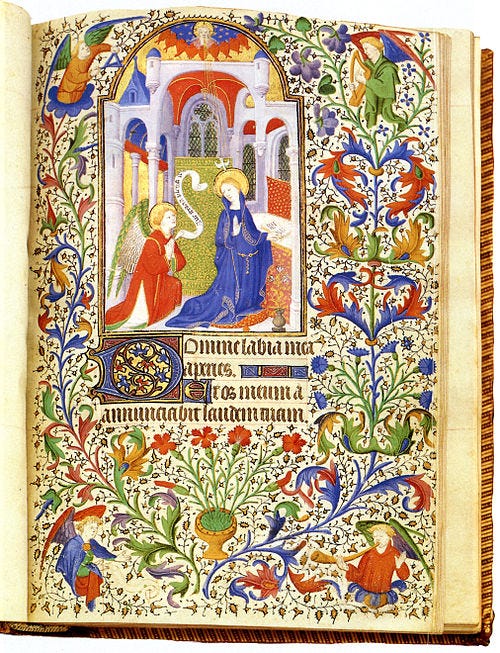
Modern scholarship tells a different story about Medieval Europe—one that's full of vibrant intellectual life, technological innovation, cultural exchange, and deep spiritual imagination. The Middle Ages birthed the university and degree system, the mechanical clock, eyeglasses, banking systems, Gothic architecture, rhythmic notation and polyphonic music, proto-constitutional governance and representative assemblies, magnetic compasses, the printing press and first public library, three-field crop rotation, and so much more.
Join me on an exploration of the Medieval world and why it matters for understanding the present.
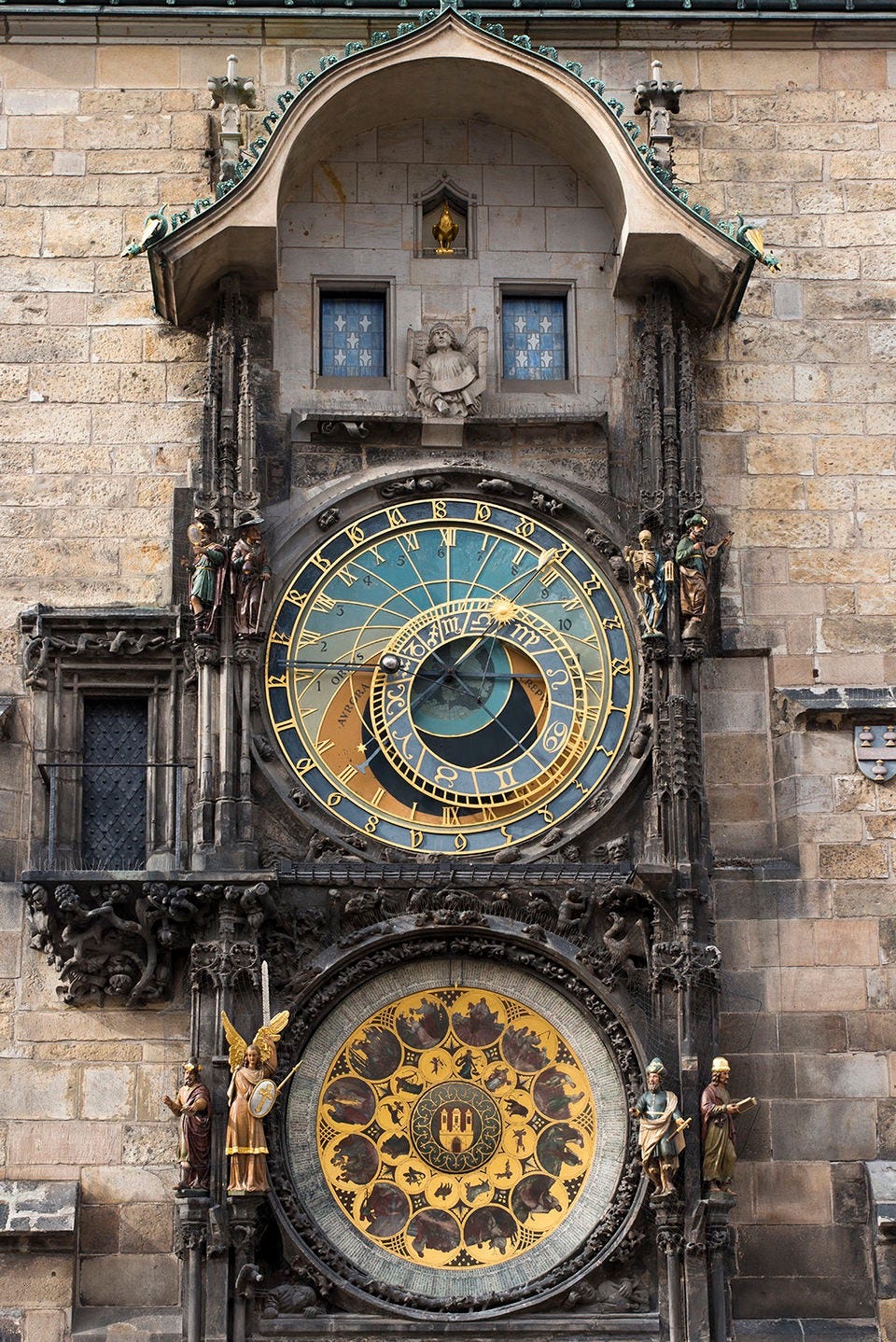
Yes yes yes!! Thank you to the Medieval Era for the Liberal Arts (the Quadrivium and the Trivium)!
This is a very cool article. Thank you. I’m here for the ride.